

The problem
I followed the script: traditional education, relocating to the States, and thirteen years in corporate product management where success meant finding the right answer, fast. It was familiar, predictable, and entirely stagnant.
True change begins in the mind. If your thinking is strictly linear—leaving zero room for improvisation, no safe harbor for experimentation, and zero appetite for failure—you end up building an incubator for conformity.
You get systematically optimized out of creativity, and hurtle straight into mediocrity. School laid the foundation, business processes perfected it, and AI has now industrialized it. Look around: what you will find is speed and competence, but everything seeming sterile, and dull. When what we do becomes dull, so do we.
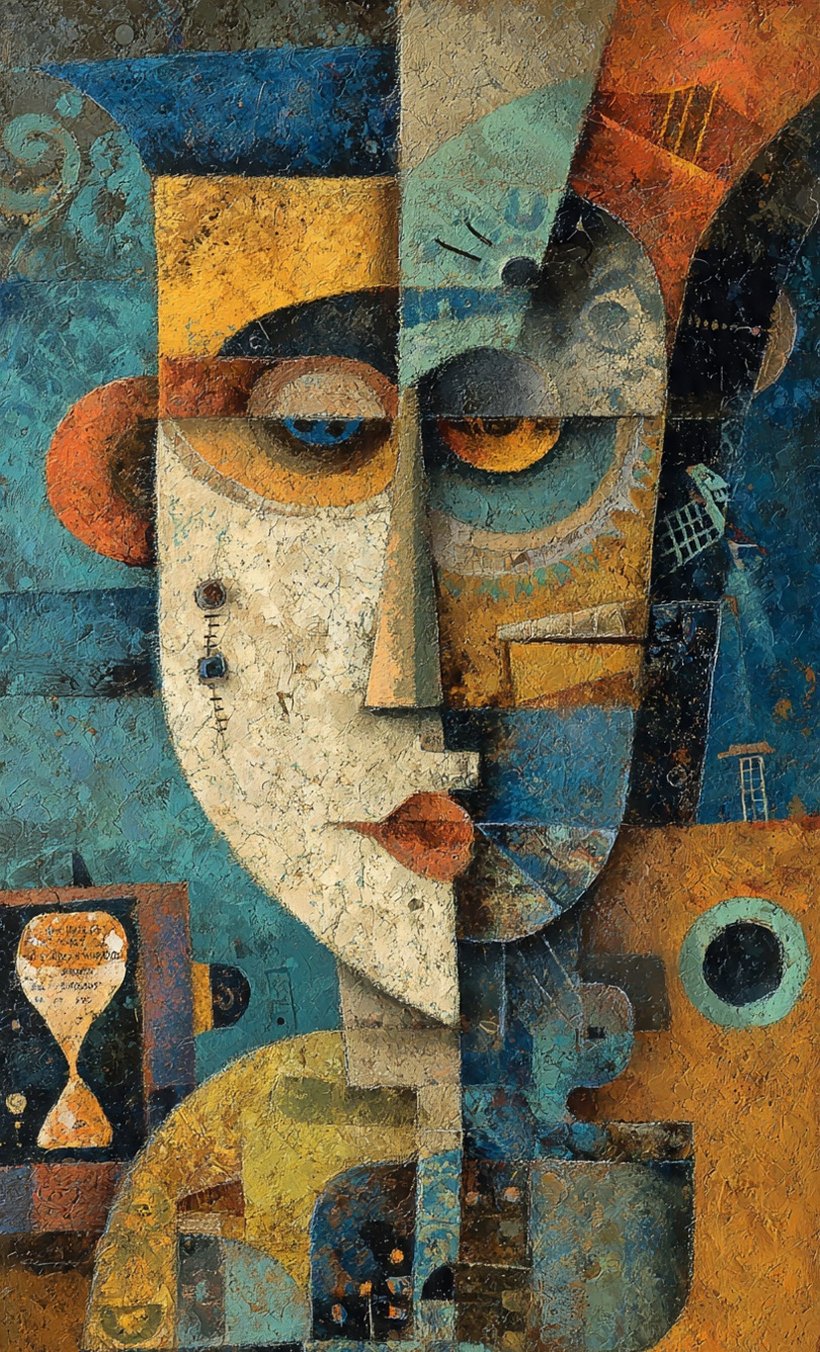
This changed my life
I used to label myself a “technical” guy with a scant, if any, understanding of art. My introduction to Pablo Picasso’s work came at the Museum of Modern Art in New York City.
I came across a painting in the gallery called Girl Before a Mirror. At first glance, it seemed like a strange but cheerfully colorful portrait: Picasso’s muse standing before her reflection. The longer I stood and looked though, the more this portrait seemed to unravel, even to the uninitiated mind like mine. The shapes were odd and the symbolism hinted at something unknown—duality, transformation, contradiction?
I stood there, transfixed, wondering whether this fragmented way of seeing could be applied beyond the canvas. To everything I did.
This is the start of that exploration.

What this book really is
Picasso’s thinking condensed down to five moves, each with examples, thinking tools, and scenes that involve vignettes of the artist himself being provocative, and never conciliatory.
It seemed like the only honest way to translate a mindset so radical into business context.
There are no workbooks, morning rituals, or productivity systems. Just ideas to break the canvas on which the conventional usually gets painted.

Core moves
-
1
Every field or industry runs on rules nobody has questioned in years. Find yours. Then destroy it.
-
2
A single perspective can be comforting, and nasty. The discomfort of holding multiple, even contradictory versions could shatter your worldview.
-
3
Develop the eye to steal structures. This might initially feel slightly wrong, but then seem like the most natural thing.
-
4
Use the machine to intentionally diversify your playing field, not confine and sterilize your ideas.
-
5
Some answers only arrive once you’ve stopped chasing them. This is strategy, but might look like laziness if you aren’t paying attention.
If you’d rather hear it from the horse’s mouth
This book is
For
- Builders, founders, and creatives who suspect their differentiation may be a mirage.
- Product and design folks who’ve noticed their roadmaps and blueprints resemble everyone else’s.
- Innovators trying to produce breakthroughs using processes engineered to prevent surprises and collision.
- Anyone with the mandate, desire, or gumption to imagine and create what doesn’t yet exist.
Not for
- Anyone hunting for how-to guides or best practices.
- Anyone expecting a balanced AI panacea.
- Anyone looking for productivity and efficiency tips.
- Anyone content living with the status quo.
Early reviews
“I would especially recommend it to someone working in a mature organization who feels their thinking has become constrained by processes, metrics, or organizational inertia. It broadens the way readers frame problems by encouraging them to examine multiple perspectives simultaneously.”
“Personally, I plan to give this book to my two teenage nephews. I hope they read it before the world convinces them there is only one correct way to think.”
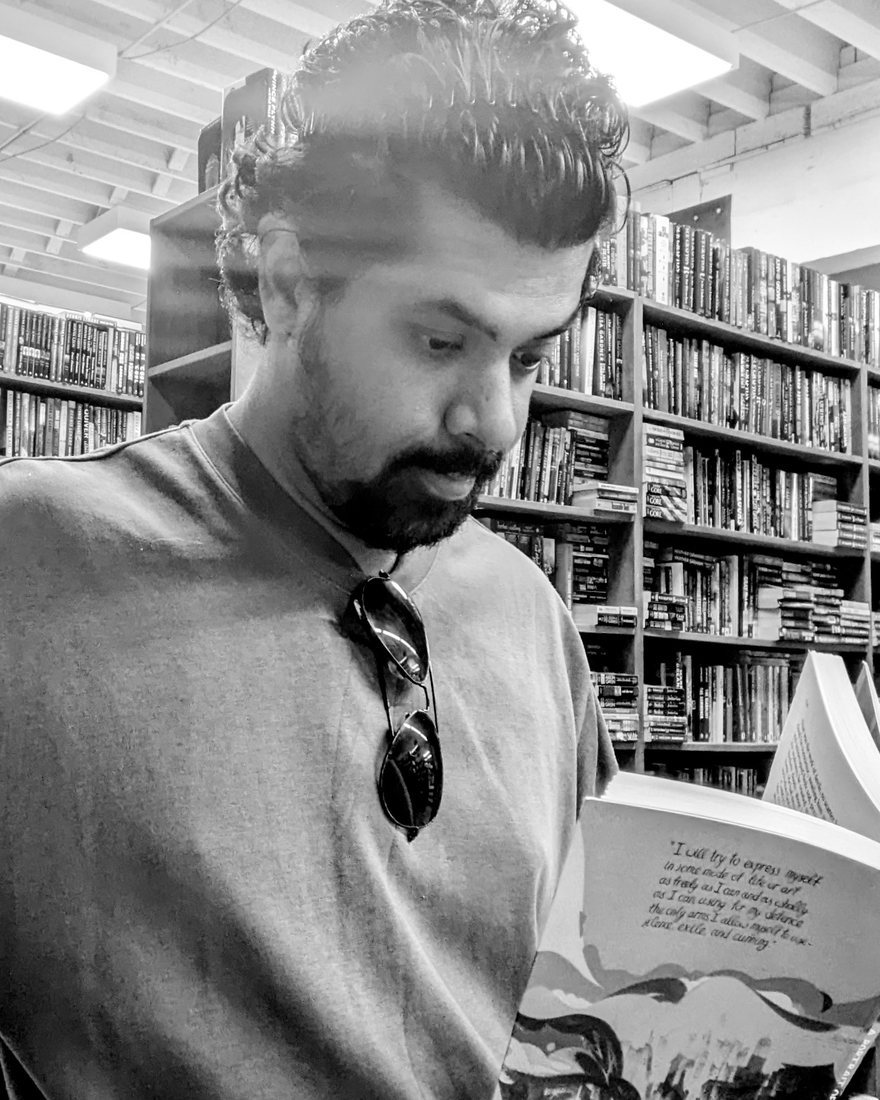
About the author
Prashant Anilkumar is the founder of Beyond Singular, a creative-thinking and strategy practice that helps companies—and the people inside them—think in ways an algorithm can’t predict. He builds tools and delivers talks and workshops provoking people to steal patterns and discover their wildest creative side.
He has spent more than thirteen years leading product management and strategy at large technology companies, and has been writing in every genre about everything under the sun. He holds an engineering degree from the University of Mumbai, and an MBA from Emory University’s Goizueta Business School. He still slaps the bass and the tabla from time to time.
Connect on LinkedIn